

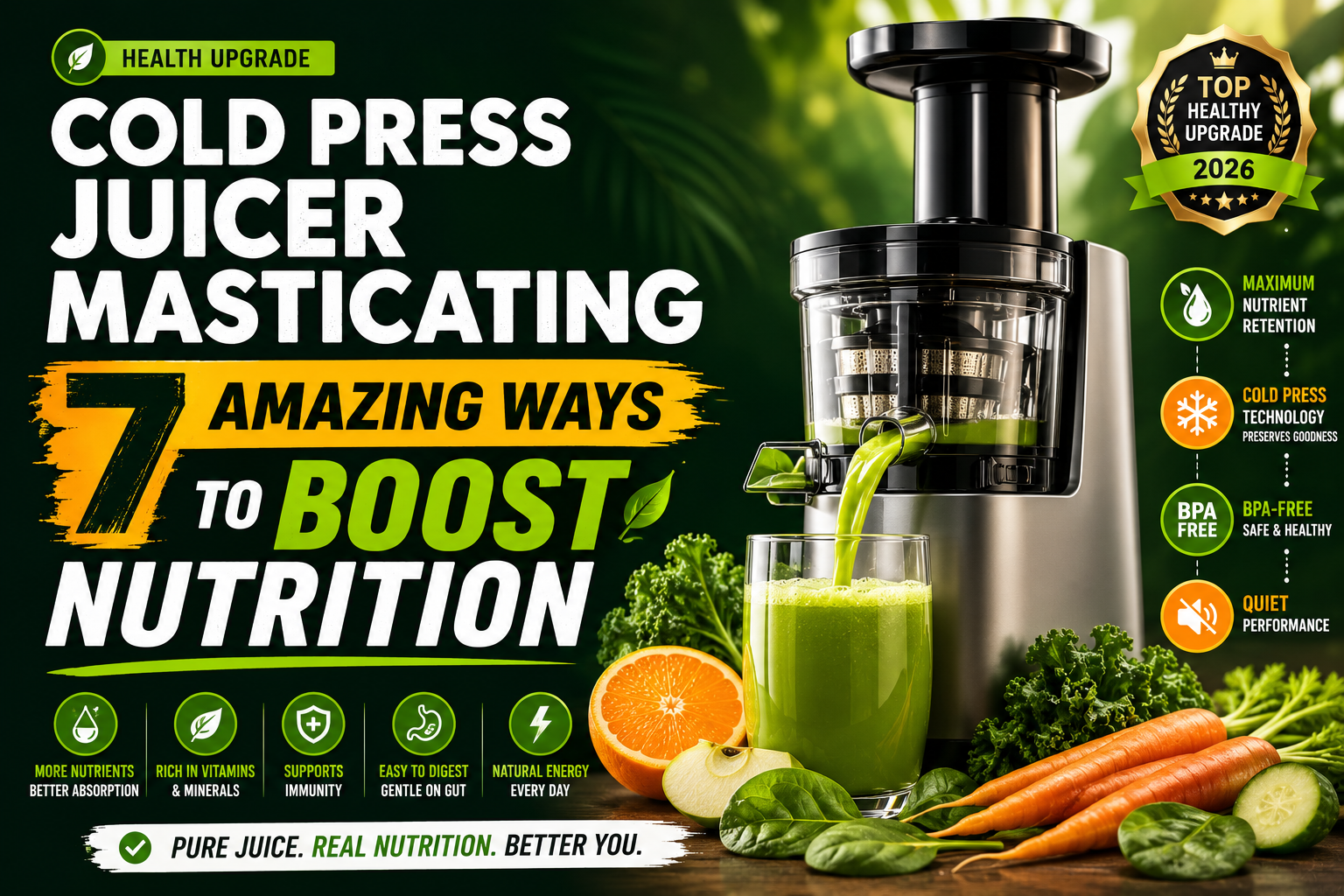
Cold press juicer masticating vs centrifugal models: which actually delivers more nutrients, is easier to live with, and pays off for daily juicing at home? With so much hype out there, this guide simplifies the facts for health-focused buyers who want trustworthy recommendations and real-world tradeoffs. Here’s how to confidently choose the right cold press juicer for everyday use in 2026.
Key Takeaways
- Masticating (cold press) juicers offer better nutrient retention and juicing yield than centrifugal models—especially important for green juices—but often require higher investment and more cleaning steps.
- Quiet operation, lifespan, and truly easy cleaning depend heavily on model design; vertical slow juicers (like the latest Hurom or Kuvings) are favored for home kitchens in 2026.
- Choose based on your actual needs: frequency of juicing, what you juice most (greens vs fruits), available counter space, your noise tolerance, and what cleaning time you will realistically accept.
Table of Contents
Why choose a cold‑press (masticating) juicer for a health-focused lifestyle
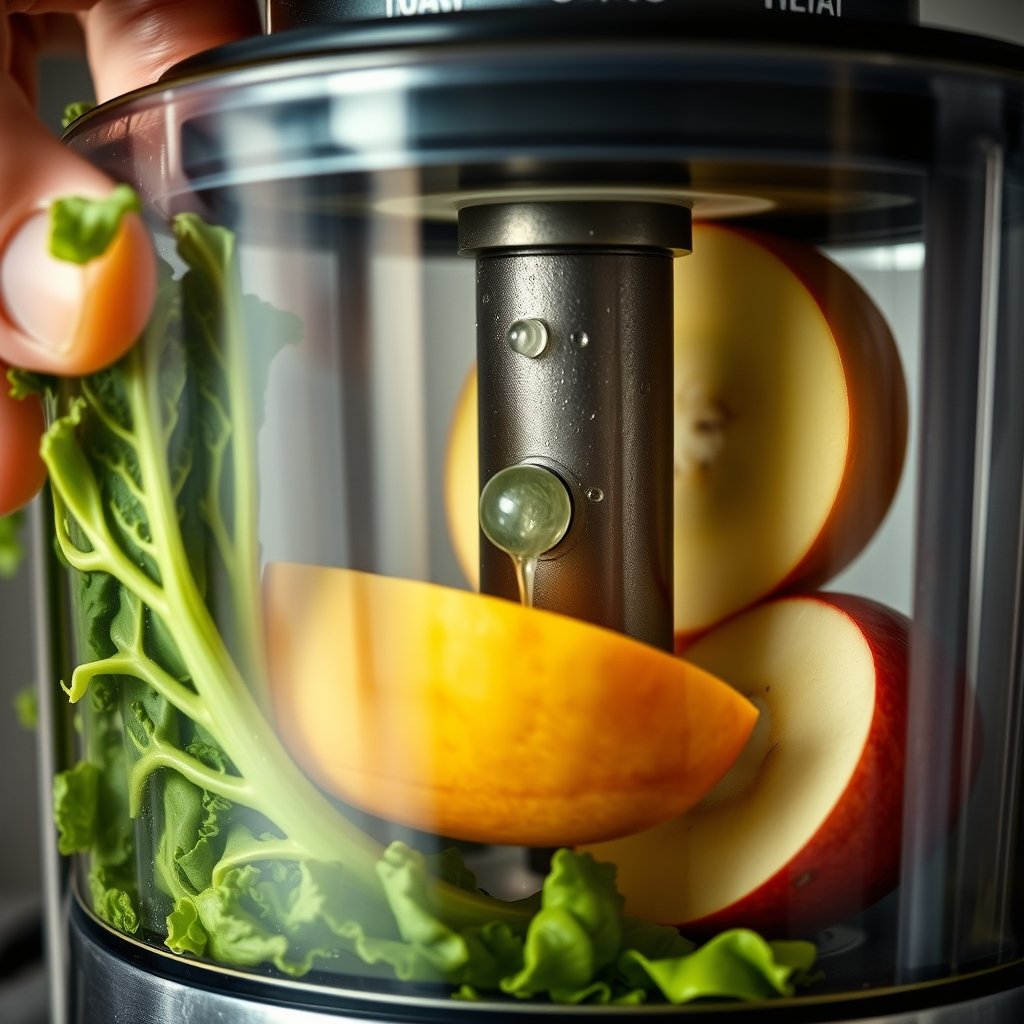
Unlike blenders and cheaper centrifugal juicers, cold press juicer masticating machines—also called slow juicers—use an auger to slowly crush, grind, and squeeze juice from produce. This low-speed system (usually 40–110 RPM) keeps friction and heat very low, resulting in:
- Superior nutrient retention (more vitamin C, enzymes, & polyphenols remain in your juice)
- Better taste and less foam (less oxidation and bitterness than from high-speed metal blades)
- Higher juice yield (especially from leafy greens)
While masticating juicers made up only about 6–7% of the global juicer market in 2024, they’re growing much faster than centrifugal models—with an estimated 8% CAGR through 2030—driven by health-first buyers who value long-term benefits over initial cost. Research also shows that vertical cold press designs are popular for their space-saving convenience—a real plus for home kitchens [source].
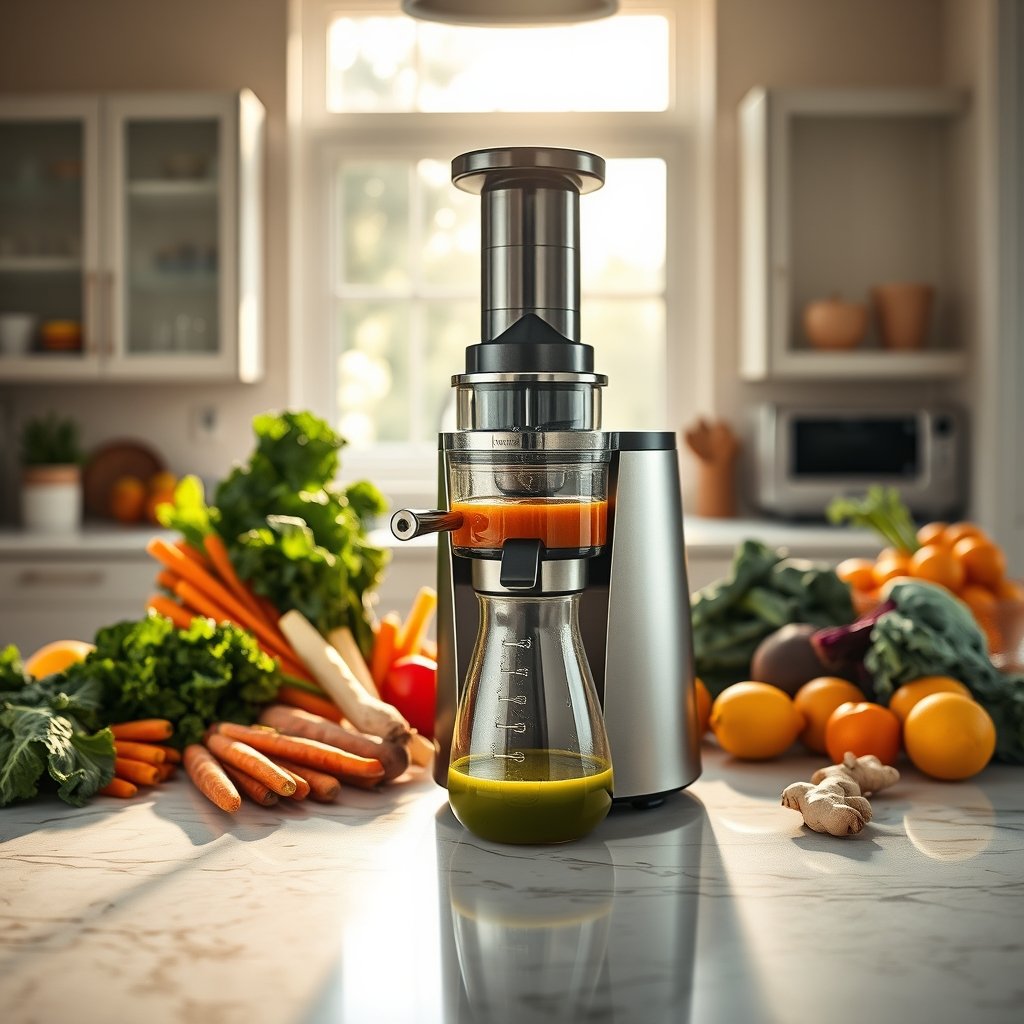
If you juice several times a week and want to maximize nutrition from your ingredients—especially greens—cold press, masticating technology is objectively the smarter choice for daily wellness.
Step-by-step: How to choose and use the right cold press juicer masticating
- Set your juicing priorities.
Are you focused on green juice, whole fruits, or a bit of everything? For daily green-juicers, prioritize nutrient retention, noise level, and yield. For occasional use or mostly citrus/fruits, you might trade off for cleaning speed or upfront price. - Choose your design type.
- Vertical slow juicer: Compact, popular, usually easier to clean and store. Best for most home kitchens.
- Horizontal masticating juicer: Larger footprint but often better for leafy greens, wheatgrass, and has more accessory options.
- Decide on single vs twin auger.
Twin augers (like Tribest Greenstar) typically deliver slightly higher yield, but are costlier and take longer to clean. For most buyers, single auger models hit the sweet spot. - Check RPM and motor specs.
Lower RPM (under 80) is best for nutrient retention. Make sure the motor provides at least 150–200 watts for tough produce. - Evaluate cleaning & assembly time.
Look for dishwasher-safe parts, smart anti-drip spouts, and self-cleaning or tool-free disassembly features. A five-minute cleaning routine is realistic for most quality models. - Inspect build materials and warranty.
Prefer BPA-free, food-grade plastics or stainless steel for juicing parts. Reputable brands offer warranties from 2–15 years—spend more up front for longer peace of mind. - Match your pick to your budget band.
- Below $150: Mostly centrifugal or entry single-auger units with few frills
- $150–$300: Reliable mid-range cold press juicer masticating options (Omega J8006, Tribest Shine, moderate warranty)
- $300–$600+: Premium (Hurom, Kuvings) with quieter motors, whole-fruit chutes, better warranties, easier cleaning
Need a quieter option for apartment living? Look for vertical slow juicers with noise ratings below 60 dB and anti-vibration rubber feet. Models like the latest Hurom and Kuvings typically run quietly enough for early morning use without disturbing others. For more appliance picks great for small spaces, check out our guide to compact air fryers for small kitchens.
Advanced analysis and common pitfalls: What most buyers overlook
Even the best cold press juicers have trade-offs. Here are common snags, with practical ways to minimize frustration:
| Feature | Cold Press Juicer Masticating | Centrifugal Juicer |
|---|---|---|
| Juice Yield | Higher (better for greens & wheatgrass) | Lower (especially with leafy produce) |
| Nutrient Retention | Superior—less heat/oxidation | Some nutrient loss from high-speed friction |
| Noise | Much quieter (<60dB typical) | Loud (>85dB typical—like a blender) |
| Cleaning Time | More parts, 3–8 minutes (vertical models easier) | Usually fewer parts, 1–3 minutes |
| Speed | Slower (1–3 min per glass) | Fast (10–20 sec per glass) |
| Price | $150–$600+ (mid/premium) | $50–$200 (entry/mid) |
| Counter Space | Vertical types save space | Moderate |
- Model Complexity: Twin auger designs (like Greenstar) extract more juice but take longer to clean and assemble vs single auger.
- Pulp control: Not all masticating juicers let you tweak pulp levels—if you’re picky, check for adjustable screens or sieves.
- Feed Chute Diameter: Wide chutes allow less chopping, but bigger isn’t always better—watch for jams with very fibrous veggies unless the auger is strong.
- Green Juice Performance: Not all slow juicers tackle leafy greens equally. Juice quality and color can vary if the mesh or auger design isn’t optimized for fine plant fibers.
- Long-Term Parts Support: Midrange and up brands (Omega, Hurom, Kuvings) generally offer 5–15 year warranties, but budget models may lack replacement part availability after a few years.
Never buy based on wattage or RPM alone—match your machine to real use. And if apartment space is tight, see our tips for small-space kitchen gadgets that help you manage counter real estate efficiently.
Market research confirms centrifugal designs still dominate sales by value (around 44%), but cold press juicer masticating models are quickly gaining ground as more buyers prioritize juice yield and health benefits (source).
Conclusion: The right way to buy a juicer for health in 2026
Choosing the best juicer for your home doesn’t have to be overwhelming. Focus on how often you’ll juice, your ingredient mix (especially if you love greens), your tolerance for prep and cleaning time, and the level of noise you’re willing to accept. The market has never had more reliable options—especially in the cold press juicer masticating segment. Don’t get distracted by marketing; instead, try to test in-store or order models from retailers with good return policies.
Ready to compare top cold press picks? See our favorite shortlists below, and use the insights here to confidently invest in a machine that fits your healthy lifestyle. You can also check out our advice for keeping a clutter-free kitchen, especially if you combine it with a space-saving kitchen gadget or pair your juicer with a compact air fryer for limited counter space. When you’re ready, invest in a cold press juicer masticating model and enjoy fresher, healthier juice every day.
FAQs: Cold press juicer masticating — top buyer questions answered
Are cold press juicer masticating models really worth it?
For daily juicers focused on maximum nutrition, yes. Masticating juicers provide higher yield and retain more vitamins—especially from greens. Industry data shows rising adoption despite higher upfront cost, because long-term value and health benefits matter most to frequent users.
How much more juice do you get compared to a centrifugal juicer?
Depending on produce, masticating units often deliver 20–35% more juice from leafy greens and wheatgrass compared to centrifugal models. For fruits and root veggies, the advantage is smaller but still noticeable.
Does slow juicer nutrient retention really make a difference?
Clinical studies find that juices made with cold press juicer masticating machines keep higher levels of vitamin C, enzymes, and phytonutrients—lower extraction speed means less heat and oxidation, so your juice stays more potent and fresh tasting.
How long does cold pressed juice last in the fridge?
Cold pressed juice can be stored for 48–72 hours in a sealed, airtight container—about twice as long as juice from most centrifugal juicers. For best nutrition, drink as soon as possible.
What’s the real cleaning time for a cold press juicer masticating model?
For vertical slow juicers, expect 3–6 minutes per session with daily use. Horizontal or twin-gear models might take 7–10 minutes. Models with dishwasher-safe parts help, but thorough cleaning by hand is best to avoid any pulp buildup or odor.