

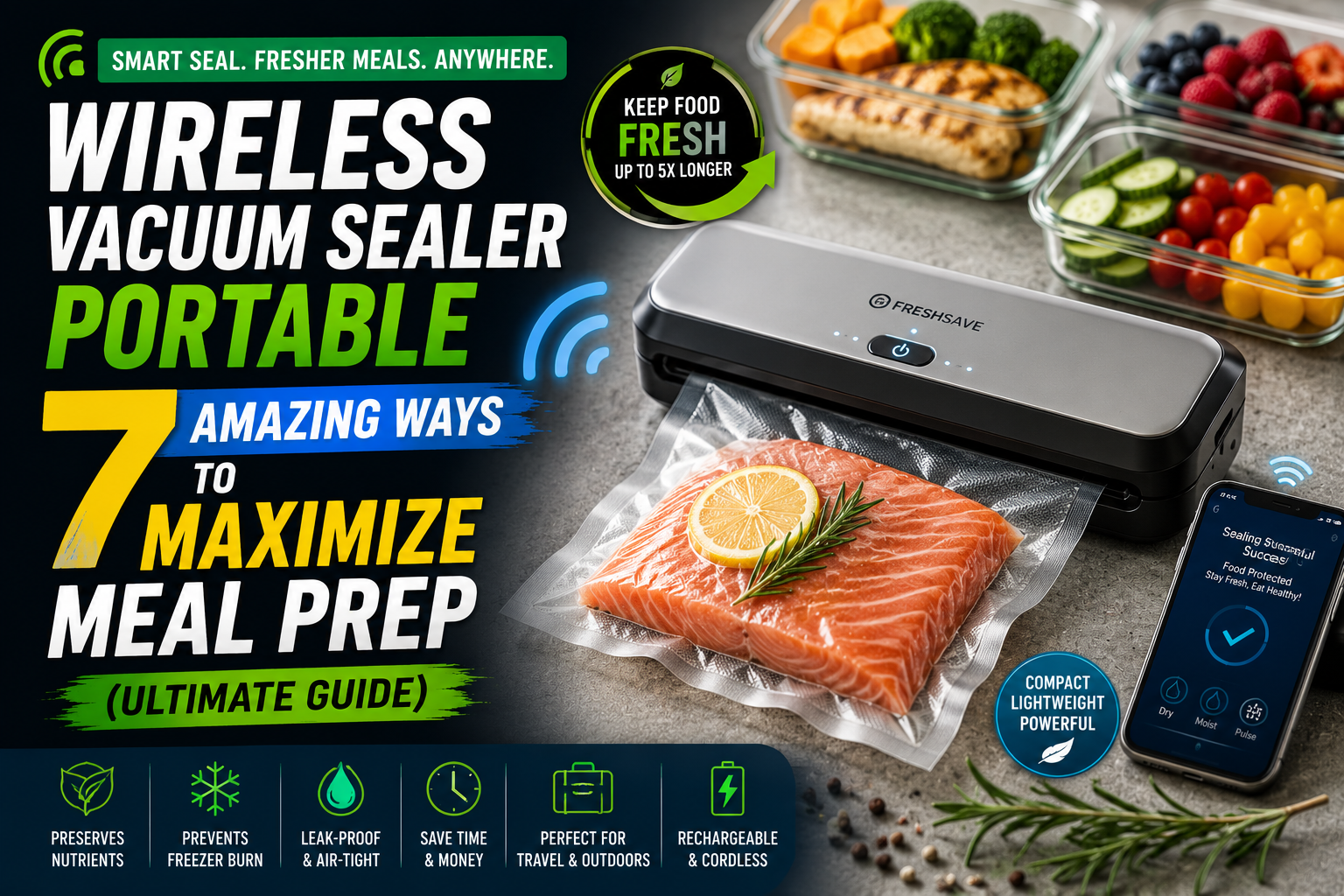
Wireless vacuum sealer portable models have become the go-to tool for busy home cooks who want to meal prep faster, marinate in minutes, and keep leftovers fresh without bulky kitchen gear. If you’re tired of tossing spoiled food or wrestling with giant sealing machines, you’ll want to read this before you buy your next cordless sealer.
Key Takeaways
- Wireless vacuum sealer portable devices save counter space and reduce daily food waste—average price is about $100 in 2024 (source).
- Look for strong battery life, good bag compatibility, and at least semi-automatic features—78% of new models in 2024 have these (source).
- Popular brands include FoodSaver, Hamilton Beach, NutriChef, and NESCO—but always check warranty and return policy.
Table of Contents
Quick verdict — should you buy a wireless vacuum sealer portable right now?
Absolutely—if you meal prep weekly, cook in small batches, or want to speed up marinating and reduce waste, a wireless vacuum sealer portable can change your kitchen game.
A true handheld vacuum sealer for food handles most prep and leftover jobs, all without cords or heavy machines.
Expect to spend USD 80-150 for a good model, averaging ~USD 100 (industry report, 2024).
- Best for: Portioning weekly meals, marinating protein in 10 minutes, quick-freezing berries or chicken, and avoiding food waste.
- Pros: Space-saving, cordless, quick to use.
- Cons: Not ideal for bulk sealing (full freezer runs) or continuous heavy-duty use.
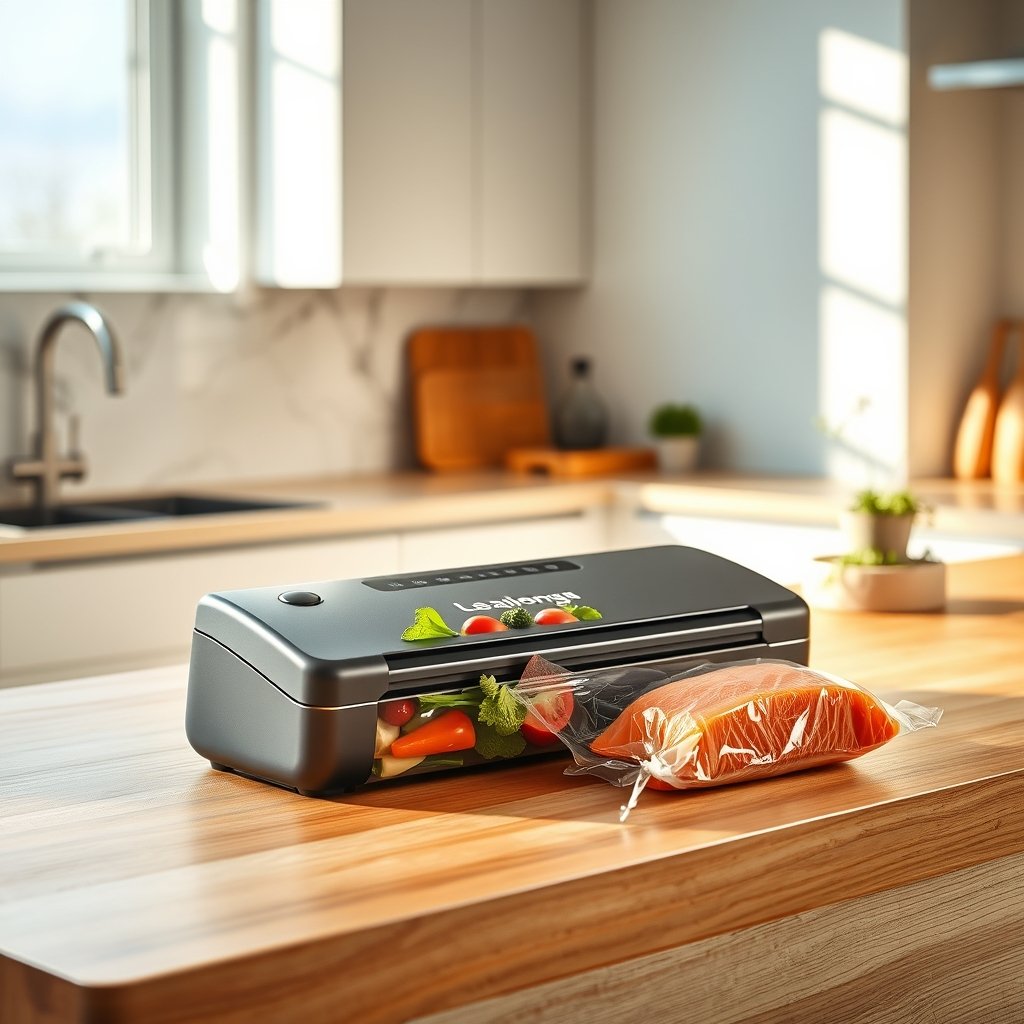
Why compact cordless sealers are trending (TikTok + market momentum)
The rise of the compact, cordless food sealer on TikTok is no accident—viral hacks, marinating demos, and 1-minute prep routines have supercharged interest. Users want tools they’ll actually use daily without a learning curve.
According to recent industry data, the global market for portable and cordless food-vacuum sealers hit $5.3 billion in 2024, up 12% year-over-year, and over 6.8 million units shipped.
Why now? More meal-preppers live in small kitchens and want sustainable ways to eat better, minimize single-use plastic, and save time. Improved battery life, universal bag compatibility, and semi-automatic controls have removed most of the old tech hassles.
For anyone inspired by TikTok demos or “fridge restock” videos, the mini vacuum sealer for meal prep is quickly becoming an everyday essential.
How handheld (wireless) sealers differ from full-size machines
Wireless handheld sealers are about the size of a pepper grinder and weigh under a pound—full-size machines can be 10x larger and much heavier. Most handheld vacuum sealer for food models run on rechargeable batteries (usually USB-C), unlike countertop units which require constant wall power.
| Feature | Handheld Wireless | Full-Size Machine |
|---|---|---|
| Form Factor | Ultra-compact, cordless | Bulky, corded |
| Suction Power | Good for daily kitchen use | Much higher for bulk jobs |
| Sealing Method | Pump or heat sealing (often double seal) | Solid heat bar, double seal possible |
| Speed | 10-30 seconds per item | 5-10 seconds per bag, multi-mode |
| Price (avg) | ~USD 100 | ~USD 770 (source) |
| Ideal Use | Meal prep, leftovers, marination, quick daily jobs | Bulk sealing, large cuts, hunters, freezer bulk runs |
If you live in a small space and value grab-and-go convenience, a wireless vacuum sealer portable is a smarter buy for everyday use. Reserve full-size units for serious batch cooks or long-term bulk freezer storage.
Best use cases — meal prep, marinating, storing leftovers and cutting waste
Wireless mini vacuum sealers for meal prep are purpose-built for small jobs with big impact. Here’s what they work best for:
- Meal Prep: Portion a week’s lunches with chicken, veggies, or grains. Bags stack flat and seal tight—no spills, no wasted portions.
- Quick Marinating: Vacuum seals force marinades deep into chicken, beef, or tofu in 10-15 minutes vs overnight. Try experiment recipes after work—no wait.
- Leftovers & Waste Reduction: Extend dairy, greens, or cooked grains by up to 5 days. Perfect for small fridge users or roommates.
- Freezing Bulk Meat: Break big packs into single or double servings to freeze. Avoid freezer burn and cut down on last-minute grocery runs.
The U.S. market for handheld vac-sealers generated about $0.5 billion in sales, reflecting Americans’ shift toward smaller living and less food waste (source).
7 features that actually matter when you compare models
With dozens of models flooding the market, all looking similar on TikTok, focus on these practical features to make the right call:
- Battery life & charging: Look for 30+ seals per charge. USB-C is fastest and most universal.
- Suction strength: Measured in kPa—look for at least 60kPa suction for quick, tight seals.
- Seal quality (double seal): Models with reliable double seals help prevent leaks, especially for marinating.
- Universal or multi-brand bag support: Universal or multi-brand bag support means you’re not locked into expensive OEM refills.
- Marinate/pulse mode: Lets you pulse air out slowly for liquids, or quickly for solids. Critical for protein marination.
- Easy to clean: Removable nozzles or drip trays prevent mess and battery damage.
- Auto vs manual cycle: 78% of 2024 models are semi- or fully-automatic (source); automation makes sealing foolproof, but good manual override is handy for fragile items.
When in doubt, skim the product page for these terms, and always read recent customer reviews comparing handheld vacuum sealer for food models. Want more ways to maximize your compact kitchen tools? See our 10 Genius Kitchen Gadgets to Maximize Small Kitchen Space roundup.
What to know about bags, accessories and recurring costs
Bags are the hidden cost in any vacuum sealer workflow. There are three main types:
- Rolls: Let you custom-size bags. More work, but less waste—good for odd-shaped items.
- Pre-cut bags: Grab-and-go, perfect for uniform meal prep serving sizes.
- Reusable bags: Best for reusable daily use or marinating; confirm it works with your chosen handheld.
Reusable bags cut down on waste but cost more upfront. Universal portable vacuum food sealer bags save money—brand-proprietary bags (OEM only) are pricier but sometimes essential for liquid sealing.
Accessories—like marinate containers, bottle stoppers, or extra charging bases—often cost as much as half your device over a year. Since true cordless handheld models retail at ~$100, recurring bag costs can quickly tip the economics if you prep large volumes (source).
Curious how that compares to saving counter space with other tools? Check out our Best Compact Air Fryers for Small Apartments guide.
Brands, availability and where to buy (quick marketplace guide)
The wireless vacuum sealer portable market is fragmented—no one brand dominates, but a few stand out for reliability and bag compatibility:
- FoodSaver: Most widely available; excellent warranty and third-party bag support.
- Hamilton Beach: Affordable, with broad online/retail presence.
- Electrolux, Tefal (Groupe SEB): Reliable, especially in Europe and premium U.S. markets.
- NutriChef, NESCO, Caso: Strong mid-range offerings; often under $120; designed for daily meal prep.
Shop official brand pages, Amazon, or big-box e-commerce sites for the deepest selection and reviews. Bonus: Many of these sites run coupons or bundle in starter bags. Always check for a clear return policy and at least 1-year warranty.
Top ten brands collectively command roughly 55% of U.S. sales, with the top five holding about 30% (industry data). Want shopping tips for other compact appliances? Try our 5 Best Air Fryers for Limited Counter Space for another handy comparison guide.
Short buying checklist — 60-second decision guide
If you’re scrolling a product listing and want to decide fast, use this next time:
- Price: Under $150 is normal. Most popular models are ~$100. Avoid “too good to be true” deals.
- Battery life: At least 25-40 seals per charge (typical for handheld vacuum sealer for food devices).
- Bag compatibility: Universal (works with many brands) is better for long-term savings.
- Seal strength: Double seals for juicy proteins—avoid models with weak reviews here.
- Marinate/pulse mode: Must-have if you cook meats or make quick pickles.
- Return policy: Look for free returns, 30-day minimum, and a 1-year warranty up front.

Use this 60-second checklist to scan product pages fast
About 650,000 handheld units sold in the U.S. last year—expect lots of reviews and plenty of availability across big-box and e-commerce sites (market data).
Considering a space-saving air fryer as your next step? Check our focused guide to Best Air Fryers for RV Living—perfect for tight kitchens and road trips.
Maintenance, troubleshooting and longevity tips
Wireless vacuum sealer portable models are mostly simple to care for thanks to new automatic cycles (over 78% of all units sold in 2024, source).
Still, follow these tips to make yours last:
- Clean the seal & gaskets: Wipe after each use, especially after sealing meat or liquids.
- Prevent liquid damage: Avoid overfilling bags. Use pulse mode for wet foods so juice doesn’t reach the motor.
- Battery care: Don’t store unused for months without a charge. Top up every few weeks if unused.
- Replace bags/seals: Worn-out or cut bags won’t seal well—swap out at first sign of leaks.
- Check for updates: Some brands offer firmware or nozzle upgrades. Sign up for warranty registration.
For even more small kitchen longevity hacks, see 10 Genius Kitchen Gadgets to Maximize Small Kitchen Space.
Quick comparison snippets (3 buyer profiles + model type to look for)
Not sure which handheld vacuum sealer for food is for you? See which description fits your style:
- Best for: Lunches, leftovers, batch cooking light proteins.
- Seek: Models under $90, universal bag support, ~30 seals per charge.
- Watch out for: Cheaper plastic parts—stick to brands with strong warranties.
- Best for: Fast marinating, juicy proteins, and even pickled veggies.
- Seek: Double-seal performance, marinate/pulse mode, anti-leak bags.
- Watch out for: Weak suction in older models—check latest reviews.
- Best for: Occasional batch prep, keeping cheese/fresh herbs longer, zero-waste goals.
- Seek: Inexpensive, reliable, basic models with easy-to-clean design.
- Watch out for: Models locked to brand-only bags. Pick one supporting generic or reusable bags.
Handheld devices average about $100, full-size machines $770—think about your real needs, and buy accordingly (source).
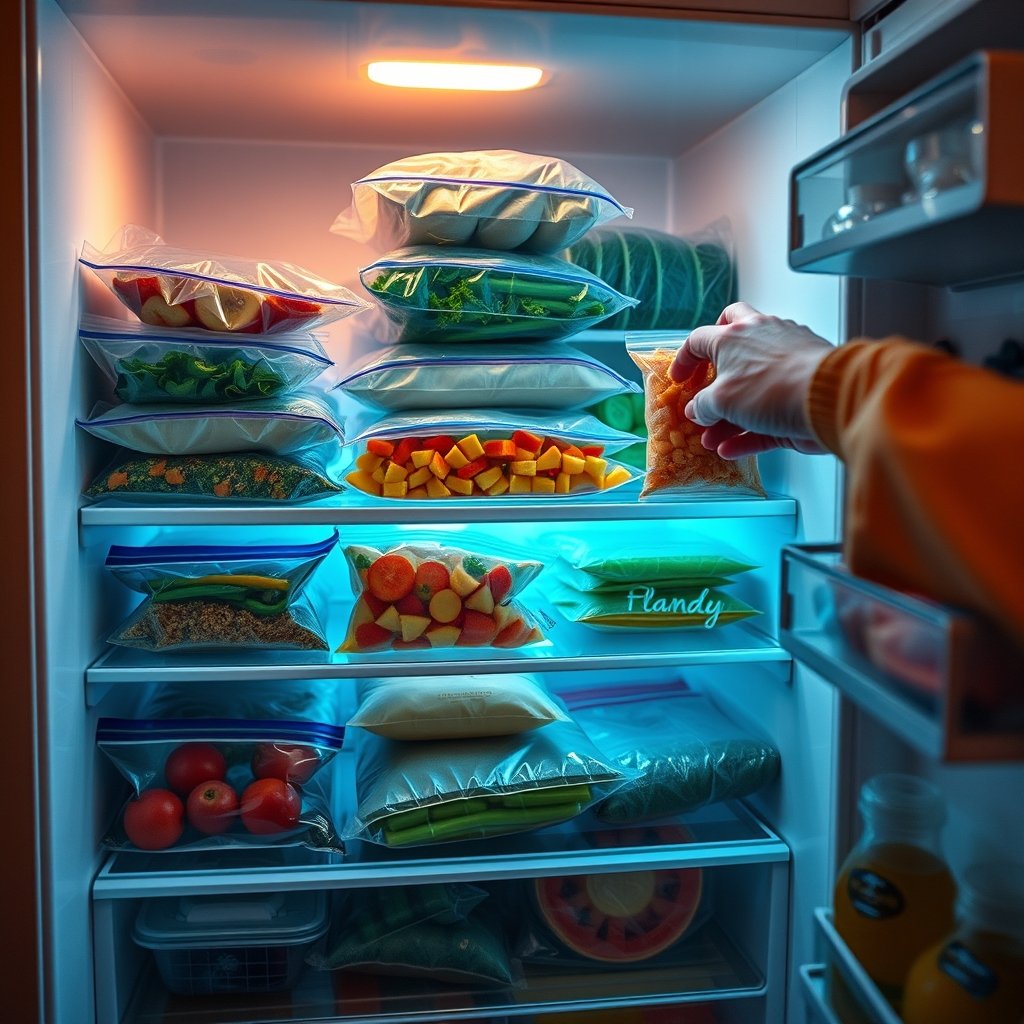
Final takeaway & call to action
A wireless vacuum sealer portable helps you prep, marinate, and store food efficiently, saving money and space in small kitchens. Over 6.8 million portable sealer units shipped worldwide last year, so there’s no shortage of options (research report).
If you meal prep, marinate often, or want to cut food waste, a compact cordless model is worth it. Use the 60-second checklist above—look for trusted brands, check for battery and bag compatibility, and buy from marketplaces with strong return options. Ready to buy or want to compare top picks? See our:
Recommended Wireless Vacuum Sealer Portable Models
- FoodSaver Cordless Handheld Vacuum Sealer — Best for all-purpose use; unmatched bag compatibility and quick charging.
- NutriChef Portable Vacuum Sealer — Budget-friendly; strong suction and pulse mode for marinating.
- Hamilton Beach Handheld Vacuum Sealer — Simple, reliable, and good for beginners.
Want even more kitchen efficiency? Check our guides for space-saving air fryers and smart meat thermometers.
FAQ
Is a wireless vacuum sealer portable powerful enough for meat and marinating?
Yes—most models have enough suction for everyday meal prep, small meat cuts, and fast marination. For bulk sealing or very wet foods, buy one with double-seal ability and marinate/pulse mode.
Can I use any bags with a handheld vacuum sealer for food?
Not always. Many models work with standard-size or universal seal bags, but some require manufacturer-branded bags, especially for liquids. Check compatibility on the product page.
How long does the battery last on these devices?
Expect 25-40 seals per charge for most portable models. High-end versions can do 50+, and charging is usually via USB-C. Heavy bulk use will require more frequent recharging.
How do I clean and maintain my sealer?
Wipe seals and remove any food particles after each use. For wet marinating, use pulse mode and don’t overfill. Charge the battery regularly and replace bags as soon as they show wear or leaks.
Where can I buy a wireless vacuum sealer portable with a good return policy?
Amazon, brand websites, and big-box e-commerce stores often have the best return options and warranty support. Always check retailer policies before buying.